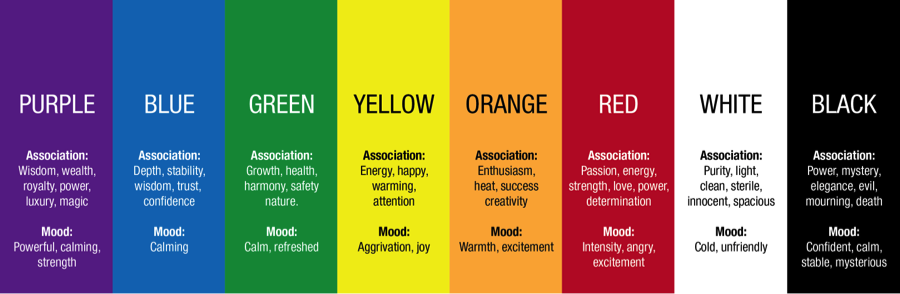
The Role of Color Psychology in Effective BrandingColor is a powerful tool in the arsenal of any brand strategist. It goes beyond mere aesthetics, tapping into the subconscious mind of consumers and influencing their perceptions and behaviors. Understanding and leveraging color psychology can significantly enhance a brand’s effectiveness, creating lasting impressions and driving consumer engagement.
The Science Behind Color Psychology
Color psychology explores how different hues affect human behavior, emotions, and decision-making processes. This field of study has revealed that colors can evoke specific feelings and associations, which savvy marketers use to their advantage14.For instance:
- Red often signifies excitement, passion, and urgency
- Blue conveys trust, security, and professionalism
- Green represents nature, health, and growth
- Yellow radiates optimism, warmth, and energy
Impact on Brand Recognition and Recall
Research has shown that color can increase brand recognition by up to 80%5. This striking statistic underscores the importance of choosing the right colors for your brand identity. Consistent use of color across all brand touchpoints helps create a strong visual identity, making it easier for consumers to remember and identify your brand19.
Influencing Consumer Behavior
Colors don’t just make brands memorable; they can actively influence consumer behavior. Studies indicate that up to 90% of snap judgments about products can be based on color alone8. This powerful influence extends to purchasing decisions, with 85% of customers citing color as a primary reason for choosing one brand over another2.
Crafting Your Brand’s Color Palette
When selecting colors for your brand, consider the following:
- Brand Personality: Choose colors that align with your brand’s values and personality. For example, if you’re a tech company focused on innovation, you might opt for sleek grays and blues like IBM4.
- Target Audience: Consider the preferences and cultural associations of your target demographic. Remember that color perceptions can vary across cultures19.
- Industry Norms: While it’s important to stand out, be aware of color conventions in your industry. Financial brands often use blue to convey trust, while eco-friendly companies lean towards green6.
- Competitor Analysis: Analyze your competitors’ color choices. You may want to differentiate yourself or align with industry standards, depending on your strategy.
Case Studies in Color Branding
Several brands have masterfully used color psychology to create powerful brand identities:
- Coca-Cola: The iconic red evokes excitement and energy, perfectly aligning with the brand’s vibrant image5.
- Facebook: The calming blue instills trust and reliability, crucial for a social media platform handling personal data4.
- Whole Foods: Green signifies health and nature, reinforcing the brand’s commitment to organic and sustainable products4.
The Future of Color in Branding
As we move into an increasingly digital world, the role of color in branding is evolving. Dynamic color palettes, color-changing logos, and personalized color experiences based on user data are emerging trends. These innovations offer exciting new ways to engage consumers and create memorable brand experiences.
Conclusion
Color psychology is a powerful tool in creating effective branding strategies. By understanding the emotional and behavioral impacts of different colors, brands can craft visual identities that resonate with their target audience, enhance recognition, and drive consumer behavior. As you develop your brand strategy, remember that color is not just about looking good—it’s about communicating your brand’s essence and connecting with your audience on a deeper level.